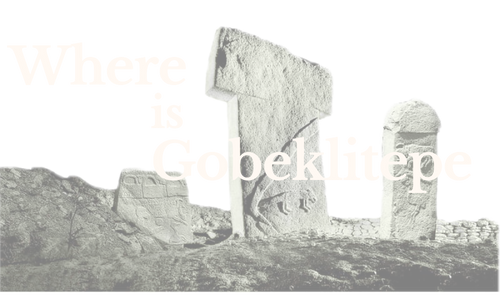
For more than three decades, our team has guided travelers through the timeless heritage of Anatolia—where Göbeklitepe stands as the symbol of humanity’s first temple and the dawn of civilization. From the sacred hills of Şanlıurfa to the cultural heartlands of Cappadocia and the Aegean, we design journeys that blend archaeology, culture, and authentic experience.
Our deep understanding of Anatolian civilizations allows us to share not only the sites but also the stories, traditions, and spirit that make this land one of the world’s most extraordinary destinations.




In our tours, we invite you to walk through the world’s oldest stories—where every path leads to a discovery, every stone whispers from the past, and every moment connects you to the living history of Anatolia and Göbeklitepe, the cradle of civilization.
Our mission is to inspire meaningful journeys that connect people with the timeless heritage of Anatolia—where Göbeklitepe marks the dawn of human belief—and to preserve, interpret, and share the cultural stories that have shaped our world through responsible, authentic, and enriching travel experiences.
Göbeklitepe is situated about 18 km northeast of Şanlıurfa city center in southeastern Turkey, surrounded by the ancient landscapes of the Harran Plain.
ecause it’s the oldest known temple complex in the world—dating back to around 9600 BC—built long before writing, pottery, or agriculture, reshaping what we know about early human civilization.
You can easily reach Göbeklitepe via private transfer, daily tour, or rental car. The drive takes about 30–40 minutes from Şanlıurfa city center or the airport.
The site is open every day between 08:00 and 19:00 (summer) and 08:00–17:00 (winter). All tickets can be purchased by us.
es. The main walking paths are shaded and stroller-friendly, with resting points, a café, and a small museum for families to explore comfortably.
Absolutely. Start early in the morning at Göbeklitepe, then continue to Karahantepe—about 45 km away—for a full-day journey through humanity’s earliest sacred sites. But we offer you to visit in 2-3 days.
The best months are March–May and September–November, when temperatures are mild. Early morning or late afternoon offers ideal light for photography and comfort.
Yes. You can join to our private licensed English-speaking guides or book a private expert tour organised by us focusing on archaeology, ancient beliefs, and recent discoveries.
Yes, photography is allowed for personal use. However, drones and professional equipment require prior permission from the site authorities.
Wear light, breathable clothes, a hat, sunglasses, and comfortable shoes. Bring water and sunscreen, as the site is mostly open-air with limited shade.